
The Fernwood Investment Framework

Real estate investing is often presented as a collection of tactics.

  • find a good deal
  • maximize cash flow
  • negotiate a lower price

These approaches can produce inconsistent results because they focus on the property, not the underlying drivers of rental income.

At Fernwood, we use a structured framework developed over 17+ years and more than 600 rental property acquisitions.

This framework focuses on the factors that determine long-term performance:

  • the city
  • the tenant segment
  • the property
  • and the hold period

Each guide below explains a specific part of that framework, from concept to execution.

A structured approach to reliable rental income

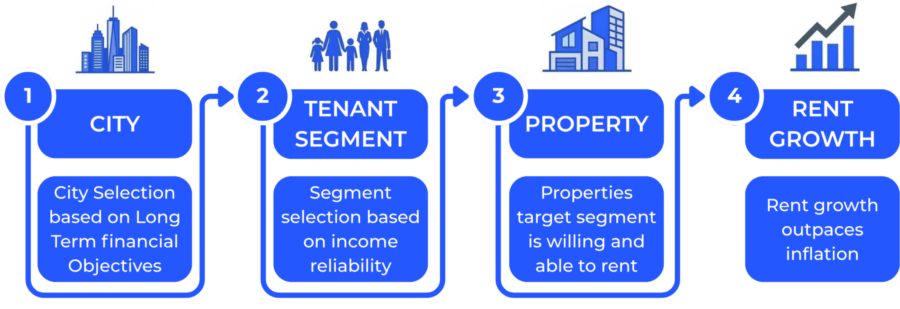
Diagram showing the Fernwood tenant-centric real estate investing framework: city selection, tenant segment selection, property selection, and long-term rent growth.

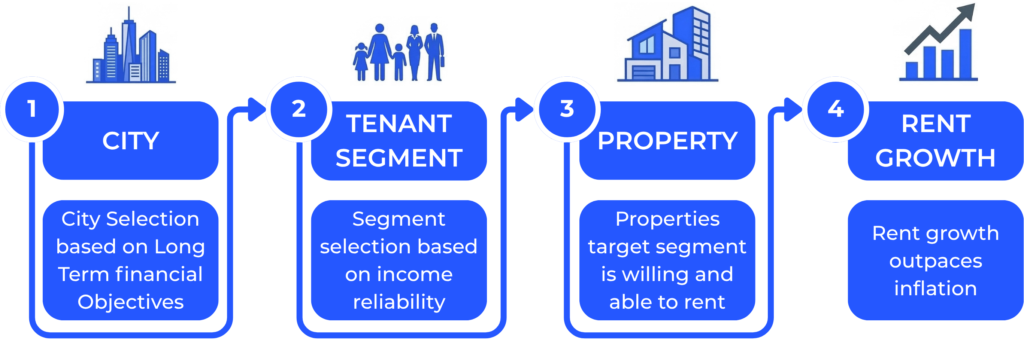
The framework follows a simple sequence:

City → Tenant Segment → Property → Rent Growth

Each step builds on the one before it.

Framework Guides

Diagram showing the Fernwood tenant-centric real estate investing framework: city selection, tenant segment selection, property selection, and long-term rent growth.

Tenant-Centric Real Estate Investing

Why tenants, not properties, determine investment performance

Most real estate investing advice starts with the property.

This guide explains why rental performance is driven by the tenant segment, and how identifying reliable tenants leads to more consistent income and lower operational risk.

Read the guide
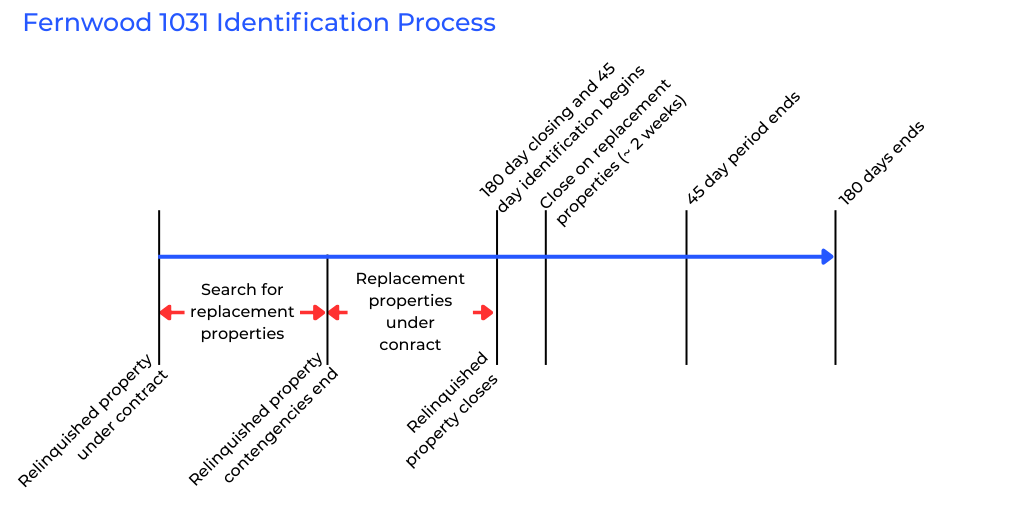
1031 exchange timeline showing when to identify and secure replacement properties before the 45-day deadline

1031 Exchange Replacement Property Strategy

How to identify replacement properties without rushing into poor investments

The primary risk in a 1031 exchange is not paperwork, it is time pressure.

This guide explains how to structure the process to identify and secure replacement properties early, reducing the likelihood of making compromised investment decisions.

Read the guide

How to Use These Guides

These guides are designed to be read as a system. Each one explains a different part of the investment process:

  • How to Choose a City for Rental Property Investment explains how to identify markets with the economic strength, population growth, operating costs, and housing supply needed to support long-term rent growth.

  • Why I Continue to Choose Las Vegas for Rental Property Investment shows how I applied those city-selection criteria and why Las Vegas remains my preferred market.

  • Tenant-Centric Real Estate Investing explains how choosing the right tenant segment can produce more reliable income, longer stays, and lower operating risk.

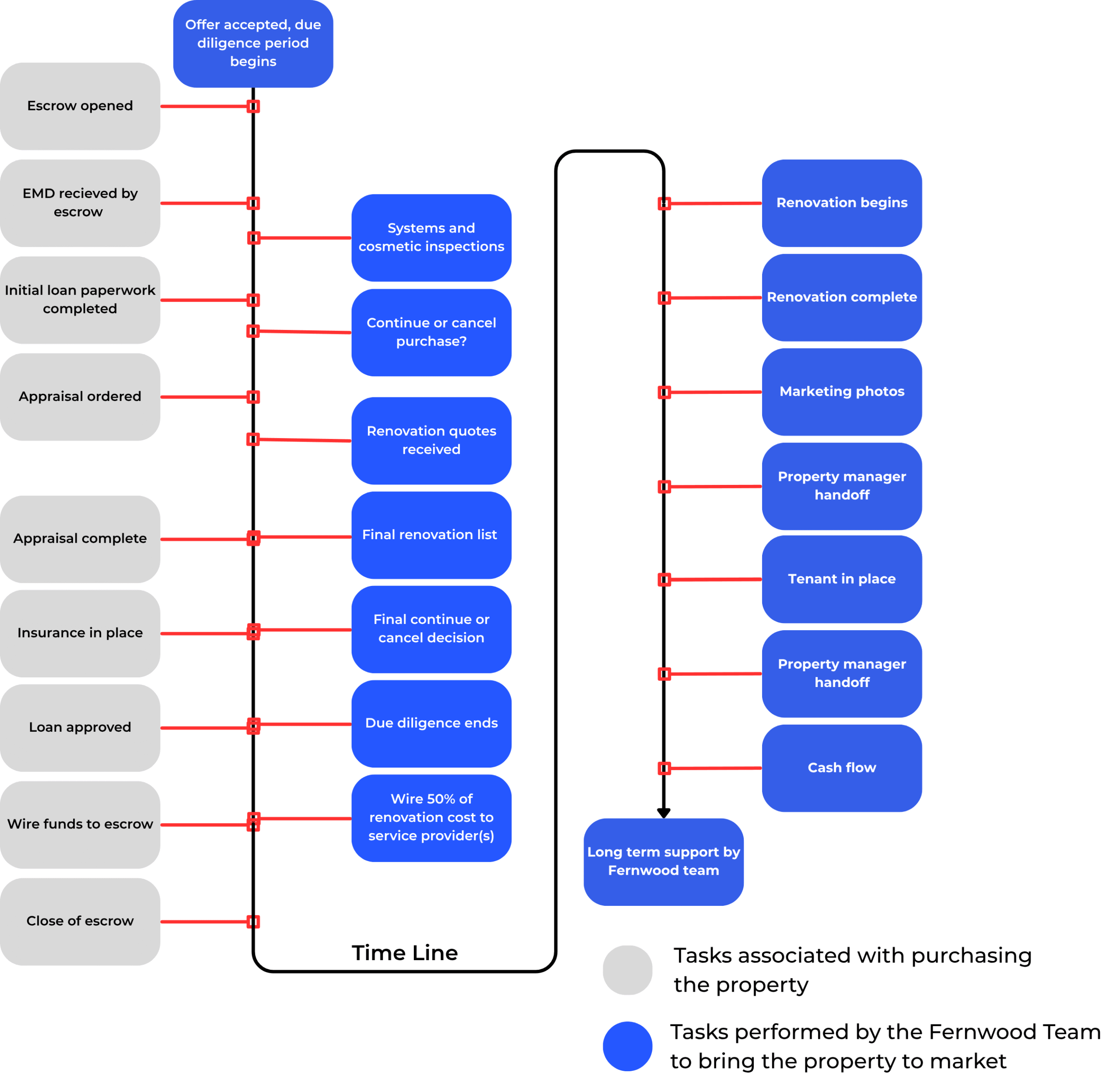
  • From Contract to Cash Flow explains how due diligence, renovation, and coordination affect a property’s performance after it goes under contract.

  • 1031 Exchange Replacement Property Strategy explains how to apply the same investment framework under strict identification and closing deadlines.

You do not need to read every guide at once. Start with the part of the process you are currently evaluating, then use the related guides to understand how each decision affects the next.

The framework follows a simple sequence:

City → Tenant Segment → Property → Execution → Long-Term Performance

Each step builds on the one before it. A strong property cannot overcome a weak city, and the right city cannot protect an investor from choosing the wrong tenant segment, property, or execution process.

Applying the Framework

Understanding the framework is the first step.

Execution determines the outcome.

Applying this framework requires aligning:

  • the right city
  • the right tenant segment
  • the right property profile
  • and the right execution process

If you would like to apply this framework to your investment goals, schedule a 30-min Discovery Call.

Over time, this framework has been refined through real-world application across hundreds of properties, multiple market cycles, and varying economic conditions.

The goal is not to predict outcomes, but to improve the probability of consistent, long-term performance through a structured process.