
In real estate, many investors spend too much time chasing a “great deal.”
This case study shows why that is often the wrong focus.
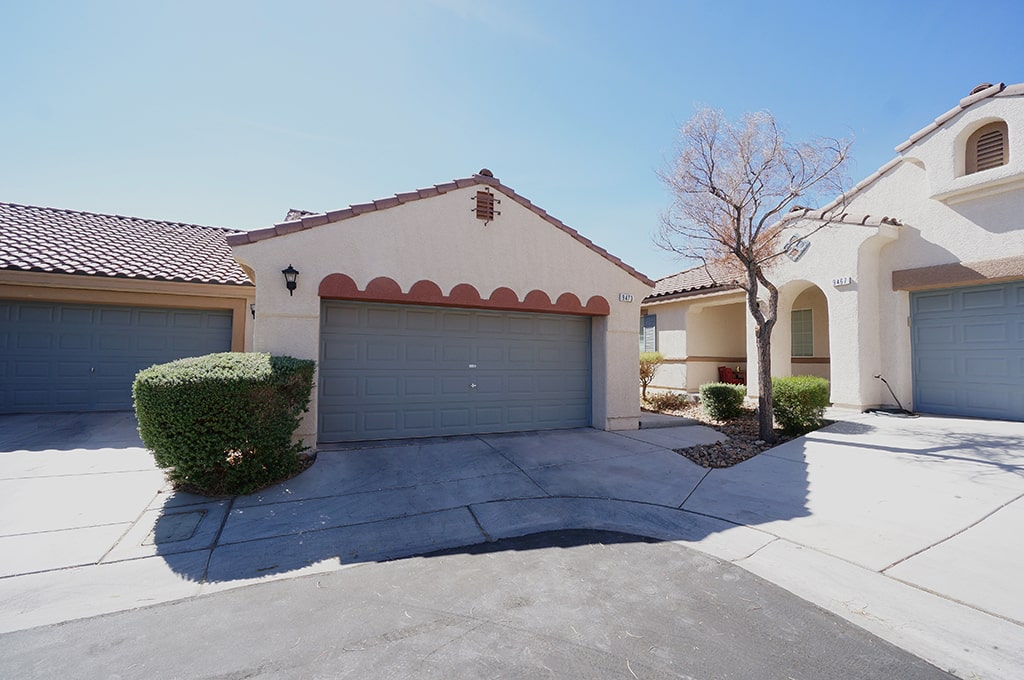
In 2016, my partner and I bought a 3-bedroom, 2-bathroom, one-story townhome in Las Vegas. We paid the asking price of $180,000, which was fair market value at the time. There was no deep discount. There was no off-market steal. Based on the projected numbers, the property was expected to cash flow only about $50 per month.
Most investors passed it.
We bought it, not because it looked exciting on day one, but because we believed in the long-term fundamentals of the Las Vegas market. We believed rents would rise. We believed values would rise. And we believed the property fit a tenant segment with stable long-term demand.
Why We Bought It Anyway
At the time, the initial cash flow was low. That alone eliminated the property for many investors, including our clients.
But initial cash flow is only one part of the investment decision. What matters more is how the property performs over the hold period.
If you buy in a market where rents and values grow over time, a property that looks average at the beginning can become an excellent investment a few years later. If you buy in a market where rents do not outpace inflation, even a “great deal” can slowly lose real value.
That is why we focus first on location, tenant demand, and long-term rent growth.
(In addition, we chose this property because our clients passed it. We do not want to compete with our own clients.)
What Happened Over the Next Four Years
Four years later, the townhome was cash flowing more than $450 per month. Its value had increased to about $285,000.
At that point, we refinanced the property and pulled out $60,000.
We then used that cash to help buy a second townhome for $265,000. Again, we paid market value. Again, the initial cash flow was only about $50 per month.
So the first property did more than improve on its own. It created the capital needed to buy the next one.
Where the Two Properties Stand Today
Today, the first townhome is worth about $380,000. The second townhome is worth about $350,000.
The total cash we invested across both properties was:
- $45,000 for the 25% down payment on the first townhome
- $10,000 to renovate the first townhome
- $15,000 to renovate the second townhome
That is a total cash investment of $70,000.
Today, these two properties produce about $1,000 per month in combined cash flow and hold more than $360,000 in combined equity.
That is a strong result for two properties that were both purchased at market value and both started with modest cash flow.
Property Snapshot
First property
- Purchase year: 2016
- Purchase price: $180,000
- Initial cash flow: about $50/month
- Value after 4 years: about $285,000
- Current value: about $380,000
Second property
- Purchase year: 2021
- Purchase price: $265,000
- Initial cash flow: about $50/month
- Current value: about $350,000
Combined results
- Total cash invested: $70,000
- Current combined cash flow: about $1,000/month
- Current combined equity: over $360,000
What This Case Study Shows
This is why we believe long-term fundamentals matter more than getting a “great deal.”
A discounted purchase price helps, but it is not the main driver of long-term performance. What matters more is buying in a market where rents and values are likely to rise faster than inflation over time.
In a strong market, time can correct many ordinary investing mistakes. Rent growth can improve cash flow. Appreciation can create equity. Equity can create the ability to refinance and buy again.
In a weak market, the opposite happens. Even if you buy well, your rent growth may be too slow to protect your purchasing power. Your cash flow may look acceptable on paper, but if it does not grow faster than inflation, its real value keeps shrinking.
That is why we focus less on chasing “great deals” and more on buying properties in locations where long-term rent growth and appreciation can do most of the heavy lifting.
Bottom Line
This case study is a simple example of a larger principle.
We did not buy an exceptional deal. We bought a property with strong long-term fundamentals in a market we believed in. Over time, rent growth and appreciation turned a low-cash-flow property into a strong performer. It then helped fund the next purchase.
The lesson is not that price does not matter. The lesson is that hold-period performance matters more.
If you plan to own rental property for many years, buying in the right location is more important than negotiating the perfect deal on day one.