
Single-family rents in our target profile climbed 3% year-over-year.

At the same time, overall rents across the Sun Belt declined. Tampa fell 3.2%, Miami dropped 2.8%, Dallas and Phoenix both dipped 2.2%, and Nashville slipped 2.0%. Source
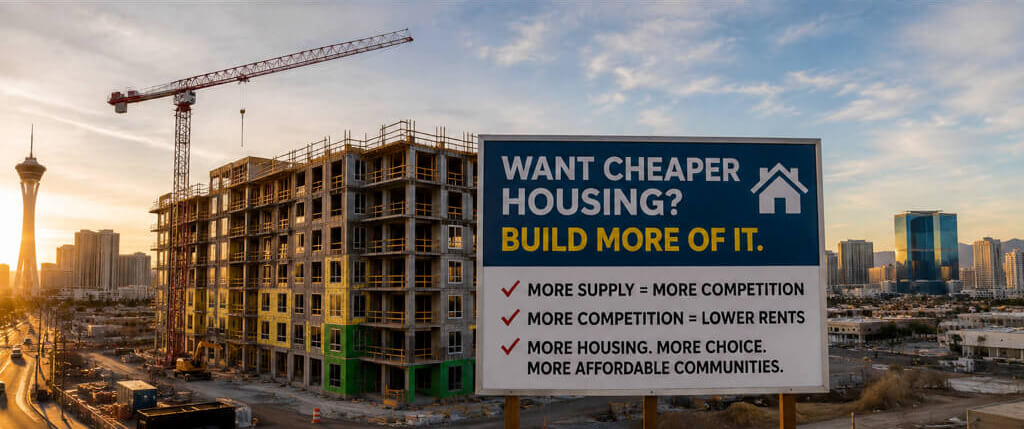
Everyone keeps complaining about housing affordability, but only one thing actually fixes it: building more homes. When developers increase supply, landlords compete on price, and rents drop.
Look at Las Vegas. A massive wave of new multifamily construction started hitting the market over the last two years, right as pandemic-era projects finished up. Once those doors opened, apartment rents cooled fast. Source
Tokyo proves this works at scale. Japan lets people build denser housing with far fewer zoning headaches, so developers simply built to match decade-long population growth. The IMF and OECD both pointed out that Tokyo managed to stay affordable specifically because they kept housing starts high while people flooded in. Source
New York shows the ugly alternative. About 961,000 apartments in NYC are rent stabilized, yet market-rate rents hit record highs in June 2026—up roughly 35% from pre-pandemic levels. The City Comptroller explicitly blamed a lack of new home construction for the surge. Source
To make matters worse, the Rent Guidelines Board just froze stabilized leases at a 0% increase from October 2026 through September 2027. Rent control might freeze costs for a few existing tenants, but it usually backfires on the broader market. When regulated rents don’t cover rising operating costs, owners defer maintenance, cut back on improvements, convert properties, or pull their capital out entirely. You end up with fewer rental homes, not more. Less supply, higher rents.
The recent drops in Sun Belt single-family rentals and Vegas apartments happened because of added supply. The pandemic-era construction boom finally caught up with tenant demand, giving renters options again.
Below is an illustrative trend model comparing supply-constrained SFR vs. oversupplied Sun Belt and Vegas multifamily. Source1 Source2

Why did the rents in our target segment increase while the others decreased? Because, unlike the other cities, supply in our target segment cannot increase through new construction. With developable land dwindling (~7 years of supply left Source), typical single-family home lots in desirable areas cost about $200,000; new homes start at roughly $550,000. The properties that our target tenant segment can afford to rent cost between $350,000 to $475,000. At today’s land and construction costs (worsening as land consumption continues), builders can’t add new inventory in our target price range.
As population continues to increase, there is almost a perfect storm: increasing population and limited housing supply, rents and prices will likely continue to increase over the long term.
Summary
Increasing supply is the only practical solution to affordability. However, not all markets are able to increase supply even if builders want to, when you run out of land to build. For investors, though, that market would be an advantageous position. Increasing demand with constrained supply means chronic pressure for prices and rents to rise.
Want to See What This Means for Your Investment Strategy?
Not every Las Vegas rental benefits equally from limited supply. The property type, price range, location, and tenant profile all matter.
If you’d like to explore properties positioned to benefit from these market dynamics, schedule a call with our team. We’ll help you evaluate the opportunities based on your goals, budget, and timeline.